
How to Choose a Commercial Electrician in South Carolina: 7 Things to Look For

Reliable electrical infrastructure is essential to nearly every commercial operation. From powering HVAC equipment and lighting to supporting manufacturing machinery, refrigeration systems, and office technology, businesses depend on electrical systems that operate safely and consistently.
When electrical problems develop, choosing the wrong contractor can lead to recurring repairs, operational disruptions, unexpected expenses, and potential safety concerns. Whether you manage a hotel in Myrtle Beach, a retail property in Charleston, an industrial facility in Florence, or an office building in Columbia, finding a qualified commercial electrician is an important business decision.
Here are seven factors to consider when choosing a commercial electrical contractor in South Carolina.
What Does a Commercial Electrician Do?
Commercial electricians specialize in installing, maintaining, repairing, and upgrading electrical systems within business and commercial properties.
Unlike residential electrical systems, commercial infrastructure often involves greater power demands, more complex distribution systems, specialized equipment, and additional regulatory requirements.
Professional commercial electrical services can include:
Commercial electrical repairs and troubleshooting
Electrical panel and power distribution upgrades
Commercial wiring and rewiring
Interior and exterior lighting installations
Electrical infrastructure for new equipment
Preventive electrical maintenance
Electrical installations for renovations and expansions
Finding a contractor with experience across these services can help businesses address immediate electrical concerns while preparing for future operational needs.
7 Things to Look for When Hiring a Commercial Electrician
Not every electrical contractor has the qualifications, resources, or experience necessary to support commercial facilities. Evaluating the following factors can help your business make a more informed decision.

1. Proper Licensing, Insurance, and Qualifications
One of the first considerations when hiring a commercial electrician in South Carolina should be professional qualifications.
Commercial electrical projects may be subject to state licensing requirements, local building codes, permitting regulations, and workplace safety standards.
The South Carolina Department of Labor, Licensing and Regulation provides information about commercial and mechanical contractor licensing requirements.
Businesses should verify that their electrical contractor holds the appropriate credentials for the proposed work and maintains adequate insurance coverage. Working with a properly qualified contractor helps reduce liability concerns and supports compliance with applicable regulations.
2. Experience With Commercial Properties
Commercial electrical requirements can vary considerably depending on the type of business, building layout, and equipment being supported.
A restaurant may require electrical infrastructure for refrigeration and kitchen appliances, while a warehouse may depend on specialized machinery, extensive lighting systems, and higher-capacity power distribution.
Look for a commercial electrical contractor with experience supporting properties such as:
Office buildings
Restaurants and hospitality facilities
Retail stores and shopping centers
Warehouses and distribution centers
Healthcare facilities
Industrial and manufacturing buildings
Multifamily residential properties
Industry-specific experience helps contractors understand operational requirements and recommend electrical solutions that align with the facility's needs.
3. Knowledge of Electrical Capacity and Building Requirements
A qualified commercial electrician should understand how electrical infrastructure supports the building's current and future operations.
This becomes especially important when businesses install new equipment, renovate existing spaces, or expand their facilities. An experienced contractor can evaluate whether existing panels, wiring, circuits, and distribution systems can accommodate additional demand.
Businesses planning facility improvements should review these commercial electrical requirements for new equipment and renovations before beginning a project.
Identifying electrical limitations early can help prevent installation delays, unexpected expenses, and unnecessary changes to project schedules.
4. Reliable Communication and Service Availability
Unexpected electrical problems can interrupt business operations, reduce employee productivity, and affect customer experiences.
For restaurants, hotels, healthcare facilities, and other businesses that rely heavily on electrical equipment, prolonged disruptions can be particularly costly.
When evaluating commercial electrical contractors, ask about service availability, response expectations, scheduling flexibility, and communication procedures. Understanding how a contractor handles urgent repair requests before an electrical problem occurs can help your business respond more effectively when service is needed.
5. Ability to Minimize Business Disruptions
Electrical repairs and installations sometimes require temporary interruptions to equipment or building operations. However, careful coordination can help reduce unnecessary downtime.
An experienced commercial electrician should work with facility managers to identify scheduling options, evaluate operational requirements, and determine whether projects can be completed in phases.
Depending on the project, scheduling electrical work outside normal operating hours may help businesses maintain productivity and avoid unnecessary interruptions.
This is especially valuable for South Carolina businesses operating during busy tourism seasons, extended retail hours, or continuous production schedules.
6. Transparent Estimates and Long-Term Recommendations
Selecting a commercial electrical contractor based solely on the lowest estimate may not provide the best long-term value. Businesses should understand what is included in the proposed scope, what additional work may be necessary, and whether the recommended solution addresses the underlying issue.
An experienced contractor should also help identify opportunities for future improvements.
For example, recurring breaker trips or aging electrical panels may indicate that a building needs more than another temporary repair. These seven signs your building needs commercial electrical upgrades can help facility managers recognize when larger improvements deserve consideration.
Clear communication supports better budgeting and more informed maintenance decisions.
7. Comprehensive Electrical and Mechanical Capabilities
Commercial building systems are interconnected. Electrical infrastructure supports heating and cooling equipment, pumps, ventilation systems, and numerous other mechanical components.
Working with a contractor that provides electrical, HVAC, and plumbing services can simplify coordination when projects involve multiple building systems.
Instead of managing separate providers, facility managers can streamline scheduling, communication, and project oversight.
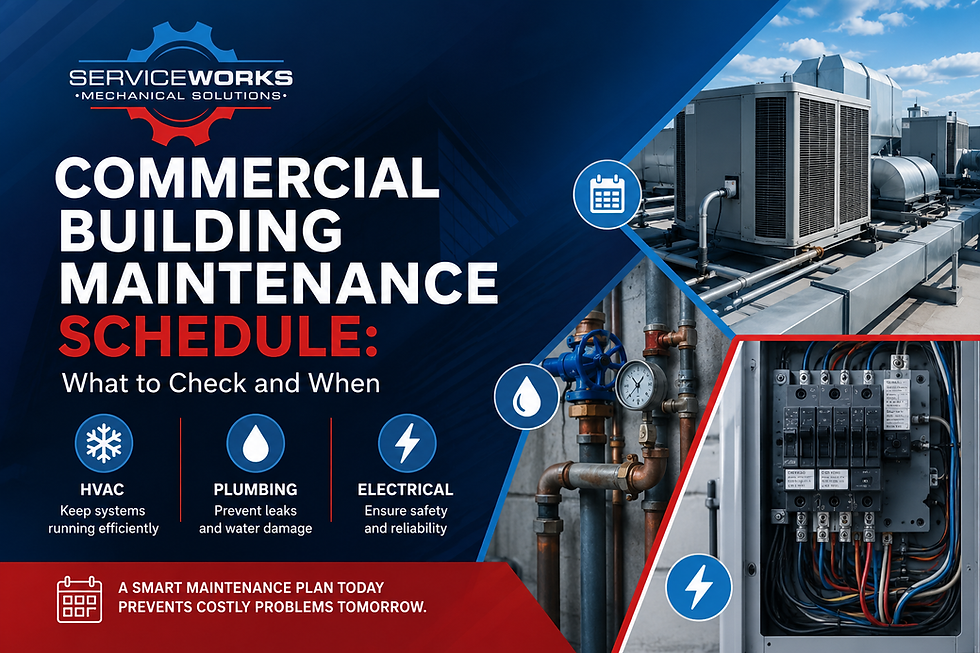
This approach can also support a more comprehensive commercial building maintenance schedule that addresses the facility's overall operational needs.
Questions to Ask Before Hiring a Commercial Electrical Contractor
Before selecting a commercial electrician, consider asking the following questions:
Are you appropriately licensed and insured for commercial electrical work?
Do you have experience with properties similar to ours?
What is your typical service availability?
Can electrical work be scheduled around our business operations?
How do you handle unexpected project requirements?
Do you provide preventive electrical maintenance?
Can you support future equipment installations and facility expansions?
The answers can help you evaluate whether a contractor is equipped to become a reliable long-term service partner.
Why Hiring a Local Commercial Electrician in South Carolina Matters
Local commercial electrical contractors can bring valuable familiarity with regional building requirements, operating conditions, and business needs.
In Myrtle Beach and Charleston, hospitality and retail facilities may experience significant seasonal increases in electrical demand. Businesses in Florence and Columbia may require dependable electrical infrastructure to support industrial operations, office facilities, and commercial equipment.
Working with a local service provider can simplify scheduling and ongoing maintenance while helping businesses establish a consistent relationship with a contractor familiar with their facility.
Partner With a Trusted Commercial Electrician in South Carolina
Choosing the right commercial electrical contractor is about more than completing a repair. It is about protecting your facility, reducing operational disruptions, and supporting long-term business reliability.
ServiceWorks Mechanical Solutions provides commercial electrical repairs, installations, panel upgrades, lighting solutions, and preventive maintenance throughout Myrtle Beach, Charleston, Florence, Columbia, and surrounding South Carolina communities.
With comprehensive electrical, HVAC, and plumbing capabilities, ServiceWorks helps businesses address multiple facility requirements through a single service provider.
Whether you need commercial electrical maintenance, an electrical system upgrade, or assistance with an upcoming renovation, our team is ready to help.
Contact ServiceWorks Mechanical Solutions today to discuss your commercial electrical needs and schedule professional service.


Comments