15 Summer Energy Saving Tips for South Carolina Homeowners That Actually Work
Managing a home in locations like Myrtle Beach, Charleston, or Columbia requires a specific strategy. We aren't just fighting heat; we’re fighting a "wall of water" in the air. To keep your home from becoming a sauna (or your wallet from feeling the burn), you need a multi-layered approach. These tips range from simple thermostat tweaks to managing the invisible "energy vampires" lurking in your living room.
Start with the best thermostat setting for summer energy saving tips for South Carolina homeowners
The most effective way to lower your bill is to find the "sweet spot" on your thermostat. While it’s tempting to set the AC to 68 degrees after a day at the beach, your system will struggle to maintain that in a South Carolina July.
Experts recommend setting your thermostat to 78 degrees when you are home. We know that sounds high, but for every degree you set it above 72, you can save up to 3 percent on your cooling costs. If you’re heading out for work or a day in Murrells Inlet, try raising it another 5 to 10 degrees.
A programmable or smart thermostat is your best friend here. Instead of manually adjusting the temperature, you can schedule it to cool down just before you get home. This prevents the AC from working overtime to cool an empty house while ensuring you walk into a comfortable environment.
Use ceiling fans the right way in humid homes
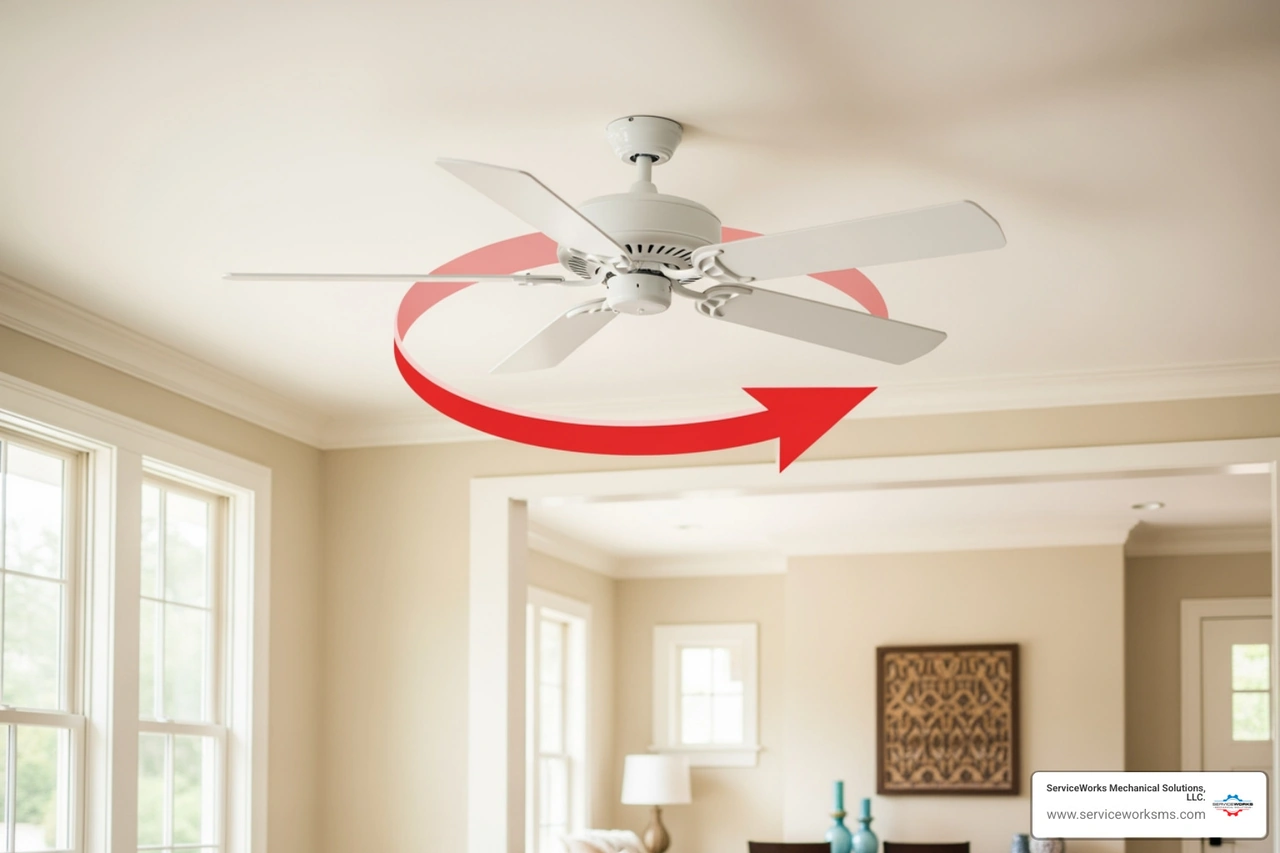
In our humid Southern climate, ceiling fans are the MVPs of energy efficiency. However, they only work if they are spinning the right way. Ensure your fan is set to rotate counterclockwise during the summer. This creates a downdraft that produces a "wind-chill effect" on your skin.
A ceiling fan can make a room feel up to 5 degrees cooler, allowing you to raise your thermostat by about 4 degrees without losing an ounce of comfort. Just remember: fans cool people, not rooms. If you leave the room, turn the fan off to save electricity.
Manage indoor humidity before lowering the thermostat
In places like Mount Pleasant or Georgetown, the "mugginess" often bothers us more than the actual temperature. When indoor humidity is high, your sweat doesn't evaporate, making you feel sticky and hot. This often leads homeowners to lower the AC just to feel drier, which is an expensive way to manage moisture.
Using bathroom exhaust fans during showers and kitchen fans while cooking helps pull moisture out of the air. For older homes that struggle with a "heavy" feel, a dedicated dehumidifier can be a lifesaver. By handling the moisture separately, your AC doesn't have to work nearly as hard. If you're concerned about your home's breathability, you can find more info about indoor air quality services to help balance your home's atmosphere.
Block Heat Before It Enters Your Home
The sun is a powerful heater. If you let that light hit your floors and furniture, your AC has to work double-time to remove that heat.
Window treatments that work best in coastal South Carolina
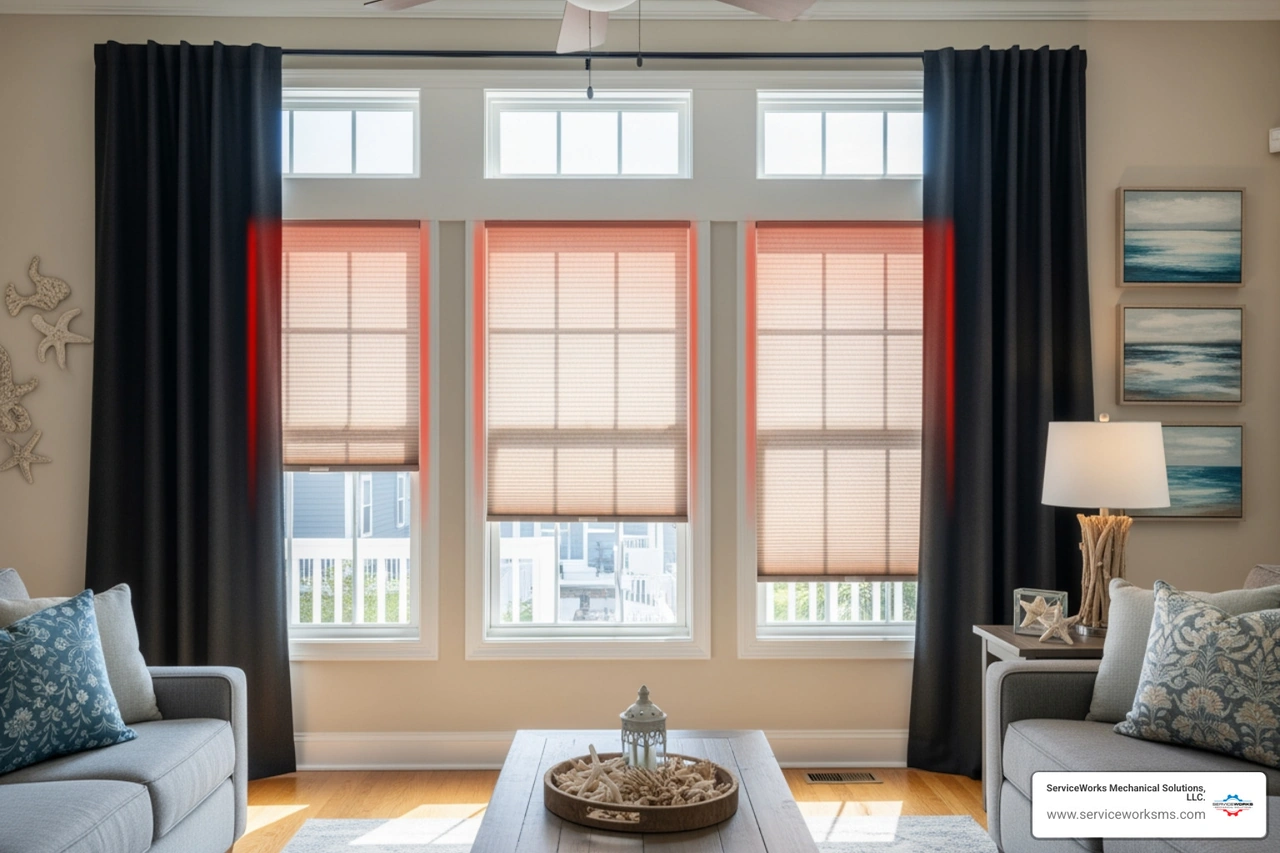
Windows facing south and west receive the most intense solar heat during a South Carolina summer. To combat this:
- Keep blinds and curtains closed during the hottest parts of the day.
- Invest in blackout curtains or thermal shades, which are designed to reflect heat away from the glass.
- Apply reflective window film if you have large, sun-drenched windows. This can significantly reduce "solar gain" without completely blocking your view of the coast.
Seal leaks around windows, doors, outlets, and ducts
You’re paying a lot of money to cool your air—don't let it leak out into the yard! Air leaks act like a giant straw, sucking humid air in and letting cool air out.
| Feature | DIY Fix | Professional Benefit |
|---|---|---|
| Windows & Doors | Apply caulk and weatherstripping to visible gaps. | Comprehensive sealing of the home "envelope." |
| Electrical Outlets | Install foam outlet gaskets behind the faceplates. | Stops hidden drafts inside the walls. |
| Ductwork | Use mastic tape on visible joints in the attic. | Professional duct sealing prevents 20-30% air loss. |
Why attic insulation and home sealing matter so much in SC summers
Your attic can reach temperatures of 140 degrees or more. If your insulation is thin or old, that heat migrates right through your ceiling. Proper attic insulation acts as a barrier, keeping the heat up there and the cool air down with you. In our coastal environment, ensuring your home is tightly sealed also prevents salt-heavy, humid air from infiltrating your walls, which protects your home's structure and your health.
Lower Summer Bills with Smarter Daily Habits
Sometimes the best summer energy saving tips for South Carolina homeowners don't involve tools at all—just a change in routine.
Easy summer energy saving tips for South Carolina homeowners for laundry, lighting, and appliances
Did you know that water heating accounts for about 18% of your home's energy use? You can save up to $200 annually just by washing your clothes in cold water. Modern detergents are designed for cold water, so your clothes stay just as clean.
Also, take a look at your lights. Old incandescent bulbs are basically small heaters; they release 90% of their energy as heat. Switching to LEDs uses 80% less energy and keeps your rooms cooler. Finally, keep an eye out for "energy vampires"—chargers, coffee makers, and game consoles that pull power even when they're off. Using smart power strips can cut this phantom load automatically.
Avoid heat-generating chores during South Carolina’s peak hours
In South Carolina, "Peak Hours" are typically between 3 PM and 6 PM. This is when the grid is most stressed and, in some cases, when electricity is most expensive.
- Delay the dishwasher: Run it before bed or early in the morning.
- Skip the dryer: Use the sun! Hanging clothes to dry is free and keeps the dryer's heat out of your house.
- Grill outside: Using the oven can raise your kitchen temperature by several degrees. Fire up the grill in the backyard to keep the heat outdoors.
Small no-cost habits that reduce AC run time immediately
- Filter Discipline: Change your air filter every 30 days during the summer. A dirty filter is like trying to breathe through a straw; it forces the AC to work harder and run longer.
- Clear the Vents: Ensure furniture and rugs aren't blocking your supply or return vents.
- Door Control: Keep exterior doors closed tightly and limit how often kids or pets run in and out.
Get Your AC Ready Before the Worst Heat Hits
In coastal towns like Surfside Beach and Little River, our AC units face a unique challenge: salt air corrosion. Without proper care, a system that should last 15 years might only last 10.
Pre-summer AC maintenance steps every homeowner should take
Before the heat index hits triple digits, perform a quick check:
- Clear the Area: Trim bushes and remove debris from around your outdoor condenser unit to ensure proper airflow.
- Check the Drain Line: Make sure the condensate drain isn't clogged with algae.
- Listen for Noises: If you hear banging or squealing, it’s time to call in the pros.
For a deeper dive into what to look for, check out these 5 common signs your Myrtle Beach home needs AC repair before summer hits.
Warning signs your AC is struggling in humid coastal heat
Is your home feeling muggy even though the air is blowing? Or is the unit "short cycling" (turning on and off rapidly)? These are signs that the humidity is winning. Coastal homeowners also need to watch for signs of salt damage on the coils. If you notice your AC is not cooling properly in the humid heat or if it's making strange noises, don't wait for a total breakdown.
When a maintenance plan makes summer savings easier
We often see systems fail during the hottest week of the year because they weren't prepared for the workload. A maintenance plan ensures your system is cleaned, calibrated, and inspected twice a year. This not only prevents emergency repairs but keeps the system running at peak efficiency, which lowers your monthly bill.
If you're wondering if an HVAC maintenance plan is worth it, consider that a well-maintained system uses significantly less energy than a neglected one. You can see exactly what a maintenance plan includes to see how it protects your investment.
Smart Upgrades and Local Programs That Support Long-Term Savings
If you’re looking to make a bigger dent in your energy bills over the next few years, consider these larger strategies.
How smart thermostats help summer energy saving tips for South Carolina homeowners
A smart thermostat does more than just follow a schedule; it learns your habits. If it notices you usually leave at 8:30 AM, it will automatically adjust to save energy. Some models even monitor local humidity levels and adjust the cooling cycle to ensure your home stays dry, not just cold.
Utility programs and home energy checkups worth exploring
Many local South Carolina utility providers offer free or low-cost energy audits. A professional will come to your home in locations like Loris or Summerville and use specialized tools to find exactly where you are losing money. Additionally, programs like "Defeat the Peak" encourage homeowners to shift their energy use away from those critical 3 PM to 6 PM hours, sometimes offering incentives for participating.
What efficient homes and better equipment can mean for long-term comfort
If you are looking at a new home or a major renovation, pay attention to the HERS (Home Energy Rating System) Index. A standard new home is rated at 100, but high-efficiency builds can rate much lower (the lower the score, the better). For example, some energy-efficient builders in our area achieve scores in the 70s, making them significantly more efficient than older existing homes.
For those looking to replace an old unit, heat pump benefits for coastal South Carolina homeowners are worth investigating. Modern heat pumps are incredibly efficient at both cooling and dehumidifying in our specific climate.
Frequently Asked Questions About Summer Energy Saving Tips for South Carolina Homeowners
What indoor temperature feels comfortable without overworking the AC?
While 78 degrees is the gold standard for savings, many people find 74–76 degrees is a more realistic balance. To make 76 feel like 72, keep your ceiling fans running and your humidity below 50%.
How much difference do LEDs and unplugging devices really make in summer?
It might seem small, but lighting and "always-on" electronics can account for 5–10% of your monthly bill. In the summer, the bigger benefit is the lack of heat. Incandescent bulbs and hot game consoles make your AC work harder to remove the heat they create.
Should coastal South Carolina homeowners open windows at night in summer?
Usually, no. Even if the temperature drops at night in Socastee or Surfside Beach, the humidity remains very high. Opening your windows lets that moisture into your furniture and carpets, which your AC will have to spend hours (and dollars) removing the next day.
Conclusion
Saving money during a South Carolina summer does not have to mean sacrificing comfort. By combining smart thermostat settings, proper fan usage, humidity control, and simple routine changes like replacing filters and blocking heat at the windows, homeowners in Surfside Beach and nearby communities can help their AC systems run more efficiently through the hottest months.
If your cooling system is struggling with the coastal heat and humidity, ServiceWorks Mechanical Solutions, LLC is here to help with trusted local support for AC repair, AC maintenance, indoor air quality solutions, and system replacement services. Our team serves homeowners throughout Surfside Beach and surrounding South Carolina communities with dependable service tailored to the demands of our climate.
Ready to get your home prepared for summer? Explore our HVAC services or join our membership plan to keep your system running strong.
testimonials
Customer Testimonials

With approved credit through Wisetack, you can enjoy zero down financing and convenient monthly payments, so you don’t have to wait to get the comfort you deserve.
Recent Blog
Stay updated with our latest blog posts.

Commercial HVAC Replacement Planning: How to Know When It’s Time to Replace Your System