Why Homeowners in Surfside Beach, SC Are Switching to Heat Pumps
Heat pump advantages over traditional HVAC are hard to ignore — especially for homeowners in coastal South Carolina who need reliable, year-round comfort without sky-high energy bills. If your current system runs on a separate furnace and air conditioner, you may be paying more than you need to — and missing out on a smarter, more efficient setup.
Here's a quick look at the top advantages heat pumps offer over traditional HVAC systems:
- One system does it all — heats and cools your home without burning fossil fuels
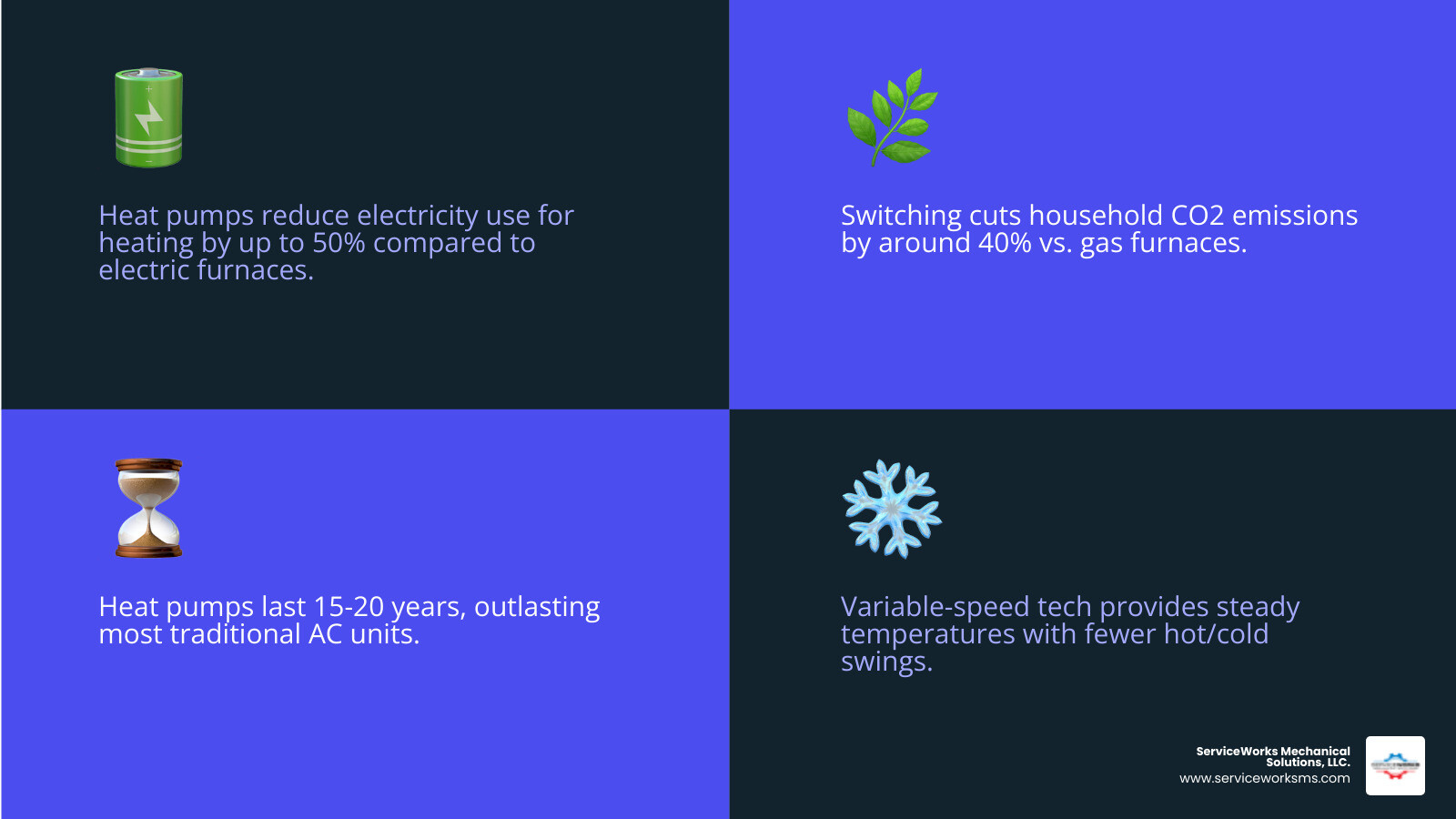
- Higher energy efficiency — heat pumps can reduce electricity use for heating by up to 50% compared to electric furnaces and baseboard heaters
- Lower carbon footprint — switching can cut household CO2 emissions by around 40% compared to gas furnaces
- Longer lifespan — heat pumps typically last 15 to 20 years, outlasting most traditional AC units
- Better comfort — variable-speed technology maintains steady indoor temperatures with fewer hot and cold swings
- Improved indoor air quality — no combustion means no byproducts like carbon monoxide circulating in your home
- Strong incentive potential — federal and state programs have made heat pump upgrades more accessible than ever
- Effective in mild climates — Surfside Beach's warm winters make heat pumps especially well-suited for this region
Whether your old system is breaking down more often, your energy bills keep climbing, or you simply want a more dependable setup for your Surfside Beach home, heat pumps are worth a serious look.
Understanding the Mechanics: Heat Pumps vs. Traditional Systems
To appreciate the heat pump advantages over traditional HVAC, we first have to look at how these systems differ under the hood. A traditional HVAC setup usually relies on two separate "brains." For cooling, you have a central air conditioner that uses a refrigeration cycle to pull heat out of your home. For heating, you typically have a furnace that burns a fuel source—like natural gas, propane, or heating oil—to create new heat.
A heat pump is a bit of a magician by comparison. It doesn't actually create heat; it simply moves it. Even when it feels chilly outside in Myrtle Beach or Conway, there is still thermal energy present in the air. In the winter, the heat pump captures that outdoor heat and "pumps" it into your home. In the summer, it hits the "reverse" button using a special component called a reversing valve, pulling heat out of your living room and dumping it outside.
Because they move heat rather than burning fuel to create it, heat pumps are incredibly versatile. We typically see three main types in our service area:
- Air-Source Heat Pumps: These are the most common. They look just like a standard AC unit and swap heat between your indoor air and the outdoor air.
- Geothermal (Ground-Source) Heat Pumps: These systems use the steady temperature of the earth (usually via underground pipes) to exchange heat. They are exceptionally efficient but require more intensive installation.
- Ductless Mini-Splits: Perfect for homes in Georgetown or Pawleys Island that don't have existing ductwork, these systems use individual indoor heads to provide targeted comfort in specific rooms.
If you are curious about how these systems might fit into your specific floor plan, you can find more info about heat pump services to see which model suits your needs.
Key Heat Pump Advantages Over Traditional HVAC for Modern Homes
When we sit down with homeowners in Mount Pleasant or Charleston, the conversation usually turns to the "bottom line." How does a heat pump actually stack up against the old-school furnace and AC combo?
| Feature | Heat Pump | Traditional HVAC (AC + Furnace) |
|---|---|---|
| Primary Function | Heating and Cooling (All-in-One) | Separate units for each |
| Energy Source | Electricity | Electricity + Gas/Oil/Propane |
| Efficiency | Up to 300%–400% (moves heat) | 80%–98% (creates heat) |
| Environmental Impact | Low (no onsite combustion) | Higher (burns fossil fuels) |
| Lifespan | 15–20 years | 10–15 years (AC) / 15–20 (Furnace) |
| Carbon Emissions | Reduced by ~40% | Standard combustion levels |
One of the most significant heat pump advantages over traditional HVAC is the sheer physics of the system. While a high-efficiency gas furnace might be 95% efficient (meaning 5 cents of every dollar spent on fuel is wasted), a heat pump can reach efficiencies of 300% or more. This is because it is much easier to move existing heat than it is to manufacture it from scratch.
Efficiency and Savings: Primary Heat Pump Advantages Over Traditional HVAC
In our industry, we use two main ratings to measure how hard your system is working for you: SEER2 (for cooling) and HSPF2 (for heating). The higher these numbers, the less money you’re sending to the utility company every month.
Because heat pumps are essentially high-performance air conditioners with a "reverse gear," they provide top-tier cooling during our humid South Carolina summers. However, the real "wow" factor happens in the winter. Modern air-source heat pumps can provide heating for approximately one-third the cost of traditional electric resistance heating. For families in Surfside Beach who are tired of watching their meters spin during a cold snap, this translates into significant operational savings. You can explore more info about heat pump services to see how modern ratings impact your potential monthly bills.
Environmental Sustainability: Long-term Heat Pump Advantages Over Traditional HVAC
We all want to do our part to keep our coastal communities beautiful. One of the quietest but most impactful heat pump advantages over traditional HVAC is the reduction in greenhouse gas emissions. Traditional furnaces release carbon dioxide and other byproducts directly into the atmosphere through a vent pipe.
By switching to an electric-powered heat pump, you eliminate onsite combustion. Research shows that heat pumps can reduce household carbon emissions by about 40% compared to gas furnaces. As the electrical grid in South Carolina continues to incorporate more renewable energy sources like solar and wind, your heat pump actually becomes "greener" over time. It’s a sustainable choice that pays dividends for the local environment.
Performance and Comfort in the Coastal South Carolina Climate
Coastal living presents unique challenges for HVAC systems. Between the salt air in Murrells Inlet and the thick humidity in Florence, your system has to be tough. Fortunately, comfort is where heat pumps truly shine.
Traditional systems often operate like a light switch—they are either 100% on or 100% off. This leads to "temperature swings" where you’re freezing one minute and stuffy the next. Many modern heat pumps feature variable-speed compressors. These units can "sip" energy, running at lower speeds to maintain a perfectly steady temperature.
Furthermore, heat pumps are excellent at dehumidification. Because they run for longer, lower-intensity cycles, they have more time to pull moisture out of the air. This is a game-changer for indoor air quality in Surfside Beach. By keeping humidity levels consistent, you reduce the risk of mold growth and keep your home feeling crisp and comfortable, even when it's 90 degrees outside. For more details on maintaining that perfect indoor balance, check out more info about heat pump services.
Maintenance, Reliability, and Frequently Asked Questions
We often hear homeowners ask if heat pumps are "fussy" or hard to maintain. The truth is, they are incredibly reliable when cared for properly. Because a heat pump works year-round (unlike a furnace that sits idle all summer), it does require consistent attention. We recommend a professional check-up twice a year—once before the cooling season and once before the heating season.
Standard maintenance tasks include:
- Cleaning coils: Salt and dirt can reduce efficiency.
- Checking refrigerant levels: Ensuring the system can transfer heat effectively.
- Replacing filters: We recommend changing 1-inch filters every 30 days to keep air flowing freely.
- Clearing debris: Keeping leaves and sand away from the outdoor unit.
With regular preventative maintenance, a high-quality heat pump can easily serve your home for 15 to 20 years, providing a fantastic return on your investment.
Can a heat pump replace my existing furnace and AC?
Absolutely. In fact, this is one of the most common upgrades we perform. Since heat pumps typically use the same ductwork as your old central AC and furnace, the transition is often very straightforward. You gain back the space your furnace used to occupy, and you simplify your home maintenance down to a single system.
How do heat pumps handle South Carolina humidity?
They handle it exceptionally well! Because modern heat pumps often use inverter technology to run at variable speeds, they stay on longer at a lower capacity. This constant air movement across the cooling coils allows the system to pull significantly more moisture out of the air than a traditional "on/off" air conditioner, making your home feel much cooler at higher temperatures.
Are heat pumps effective during coastal cold snaps?
There is an old myth that heat pumps stop working when it gets cold. While older models did struggle when temperatures dipped below freezing, modern "cold-climate" heat pumps are designed to provide heat even when it's well below zero. In our region—from Columbia down to the coast—we rarely see temperatures that would challenge a modern heat pump’s capacity. For extra peace of mind, some homeowners opt for a "dual-fuel" setup that pairs a heat pump with a small gas furnace backup, but for most in Surfside Beach, a standalone heat pump is more than sufficient.
Conclusion
The heat pump advantages over traditional HVAC systems are clear: better efficiency, lower bills, and a smaller environmental footprint. At ServiceWorks Mechanical Solutions, LLC, we take pride in being a veteran-owned company that understands the specific needs of our South Carolina neighbors. Whether you are in Little River, Socastee, or Summerville, our licensed technicians are ready to help you navigate the switch to a more comfortable home.
We stand behind our work with a 100% satisfaction guarantee and 24/7 emergency service, ensuring that your family stays comfortable regardless of the weather. If you’re ready to stop burning fossil fuels and start saving on your monthly utilities, it’s time to upgrade your home with a heat pump. Give us a call today, and let’s find the perfect solution for your coastal home.
testimonials
Customer Testimonials

With approved credit through Wisetack, you can enjoy zero down financing and convenient monthly payments, so you don’t have to wait to get the comfort you deserve.
Recent Blog
Stay updated with our latest blog posts.

Guide
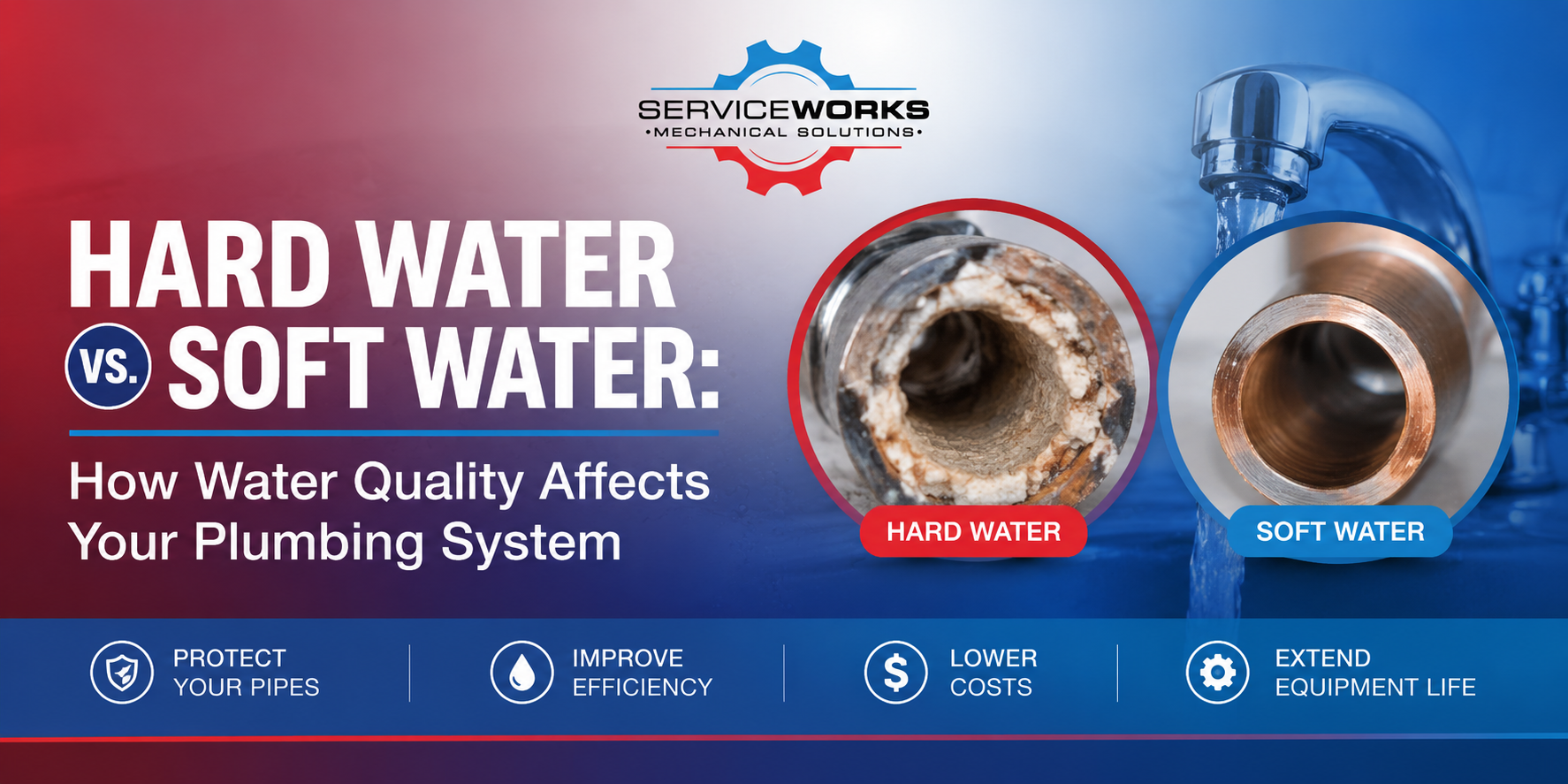
Hard Water vs. Soft Water: How Water Quality Affects Your Plumbing System