
Understanding Normal vs. Abnormal AC Sounds in Coastal South Carolina
Before we dive into the "scary" sounds, let's talk about what is actually normal. Living in areas like Charleston or Myrtle Beach, our air conditioners are the unsung heroes of our homes. Because they run so frequently to combat the South Carolina humidity, you’ve likely become accustomed to their "resting" voice.
A healthy AC unit typically produces a steady, low-level hum while the compressor and outdoor fan are running. You might also hear a gentle whirring from the indoor blower motor and the soft "whoosh" of air moving through your vents. When the system cycles on or off, a single, soft click is perfectly normal—that’s just the thermostat communicating with the relay switch to start the cooling process.
However, the coastal climate introduces unique factors. High humidity can sometimes cause the metal ductwork to expand or contract, leading to occasional muffled popping sounds that are usually harmless. But when these sounds become sharp, persistent, or loud, it’s time to consult an AC Maintenance Charleston SC Guide to see if your system is struggling against the salt air and moisture.
AC Making Strange Noises What They Mean: A Diagnostic Guide
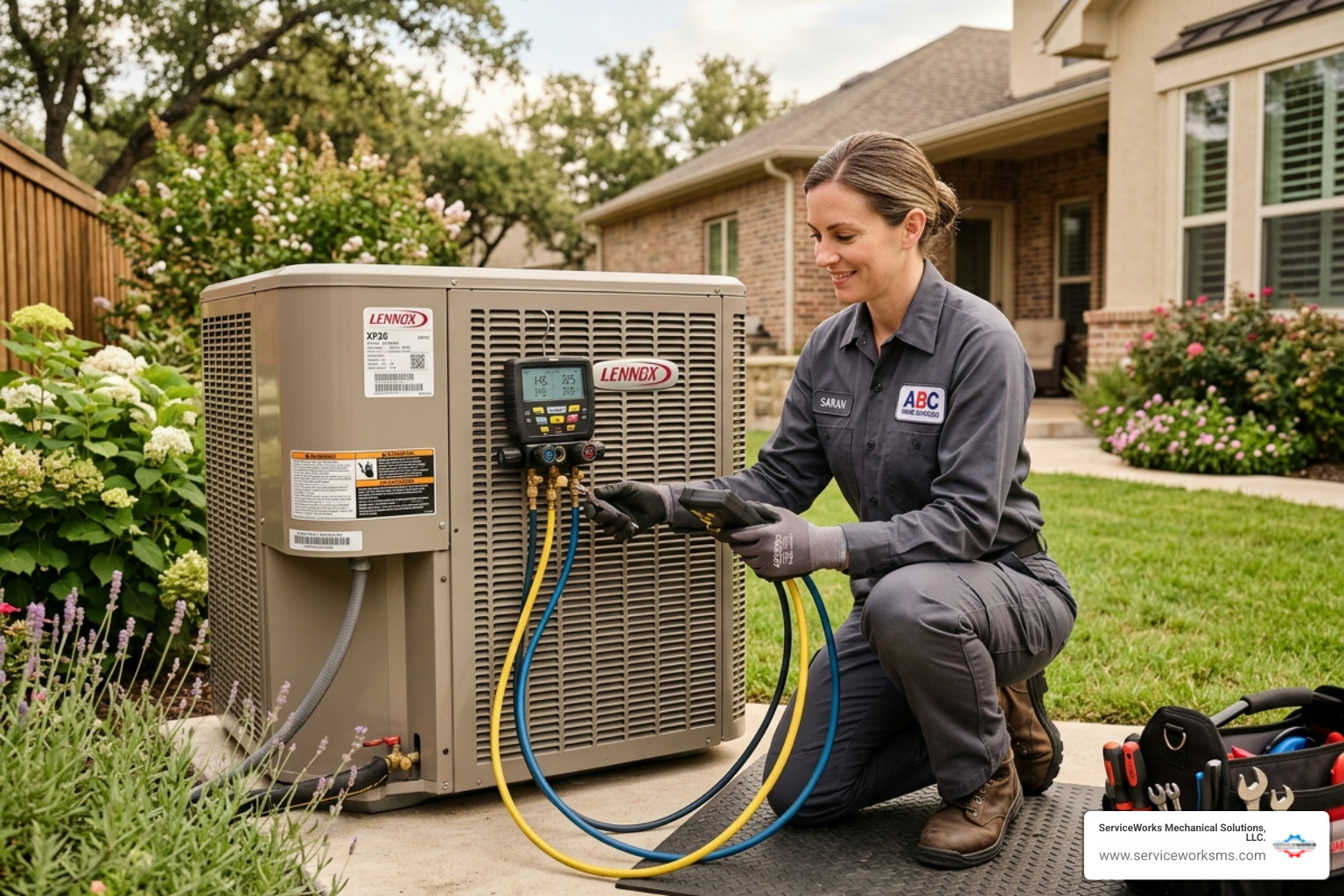
When we talk about an ac making strange noises what they mean, we are usually looking at three main categories: mechanical failure, airflow restrictions, or electrical issues. In our experience serving the Grand Strand and surrounding areas, ignoring these sounds is the fastest way to shorten your system's longevity.
Coastal components face a tough life. Salt air can accelerate the wear and tear on fan blades and motor bearings. What starts as a small "chirp" in April 2026 can become a total motor seizure by July. Understanding the specific "language" of your HVAC system is the first step in HVAC Repair Charleston SC and ensuring you aren't left in the sweltering heat.
Banging and Clanking: AC Making Strange Noises What They Mean for Your Compressor
If your outdoor unit sounds like someone dropped a handful of silverware into a blender, you likely have a "banging" or "clanking" situation. This is rarely a minor issue. Usually, these sounds indicate that a physical component has come loose or broken inside the compressor—the heart of your AC system.
Common culprits include:
- Connecting Rods or Piston Pins: If these internal compressor parts break, they will thrash around inside the housing.
- Crankshaft Issues: An unbalanced or broken crankshaft will cause heavy clanking.
- Loose Mounts: Sometimes the motor that indoor or outdoor fans sit on becomes loose, causing the blades to hit the protective cage.
If you hear this, turn the system off immediately. Continuing to run a unit that is banging can turn a repairable part into a total system replacement. For homeowners needing AC Repair Myrtle Beach SC, this is often a "code red" situation that requires professional intervention to save the compressor.
Hissing and Bubbling: AC Making Strange Noises What They Mean for Refrigerant
Hissing and bubbling are the "fluid" sounds of an AC in distress.
Hissing is almost always the sound of pressurized gas escaping. This could be a refrigerant leak in the copper lines, a leaking internal valve, or even a leak in your air ducts. Refrigerant is vital for heat exchange; without the right levels, your system will run constantly, driving up your power bills while failing to cool your home.
Bubbling or Gurgling, on the other hand, often sounds like someone finishing a soda with a straw. This usually points to air bubbles in the refrigerant lines or a blockage in the condensate drain line. In humid Murrells Inlet, your AC pulls gallons of water out of the air every day. If that water can't drain, it gurgles and eventually overflows, leading to potential water damage. If you notice these "wet" sounds, it's time to call for AC Service Murrells Inlet SC to check your pressures and drainage.
Screeching, Grinding, and Buzzing: Motor and Electrical Warnings
These sounds are the "protests" of moving parts or electrical components.
- Screeching: This high-pitched squeal often comes from a fan belt that has slipped or weathered. It can also signal high internal pressure in the compressor, which is a dangerous condition.
- Grinding: This is almost always metal-on-metal friction. It typically means the bearings in your fan motor or blower motor have worn out and lost their lubrication.
- Buzzing: A persistent buzz can be caused by loose fan blades or dirty condenser coils, but it often points to an electrical fault. It could be a failing contactor relay switch, electrical arcing from loose wiring, or a motor that is "stuttering" because it isn't getting the right voltage.
If you are in the Midlands and hear these sharp sounds, searching for AC Repair West Columbia SC should be your top priority to prevent an electrical fire or total motor burnout.
DIY Troubleshooting for a Noisy Air Conditioner
While many noises require a pro, there are a few things you can check yourself before picking up the phone. Use the table below to see if your noise has a simple fix.
| The Sound | What You Can Check | The Potential DIY Fix |
|---|---|---|
| Rattling | Check the outdoor unit's exterior panels. | Tighten any loose screws on the casing. |
| Whistling | Check your indoor air filter. | Replace a dirty or clogged filter. |
| Thwapping | Look inside the outdoor fan (power OFF!). | Remove leaves, twigs, or debris caught in blades. |
| Vibrating | Check the level of the outdoor pad. | Ensure the unit is sitting flat and not rocking. |
| Muffled Humming | Check your indoor vents and registers. | Ensure furniture or curtains aren't blocking airflow. |
Sometimes, a simple AC Tune-Up Loris SC is all it takes to clear out debris and tighten the "bones" of your system. Always remember to turn off the power at the breaker before inspecting any moving parts!
Why You Shouldn't Ignore Unusual AC Noises in April 2026
By April 2026, the South Carolina spring is already heating up. This is the "sweet spot" for maintenance. Ignoring a strange noise now means you're gambling with your comfort in July.
Beyond the risk of a breakdown, a noisy AC is an inefficient AC. Mechanical friction and refrigerant leaks force your system to work harder, which shows up directly on your monthly electricity bill. More importantly, certain noises—like buzzing or screeching—can be precursors to electrical fires or hazardous refrigerant exposure.
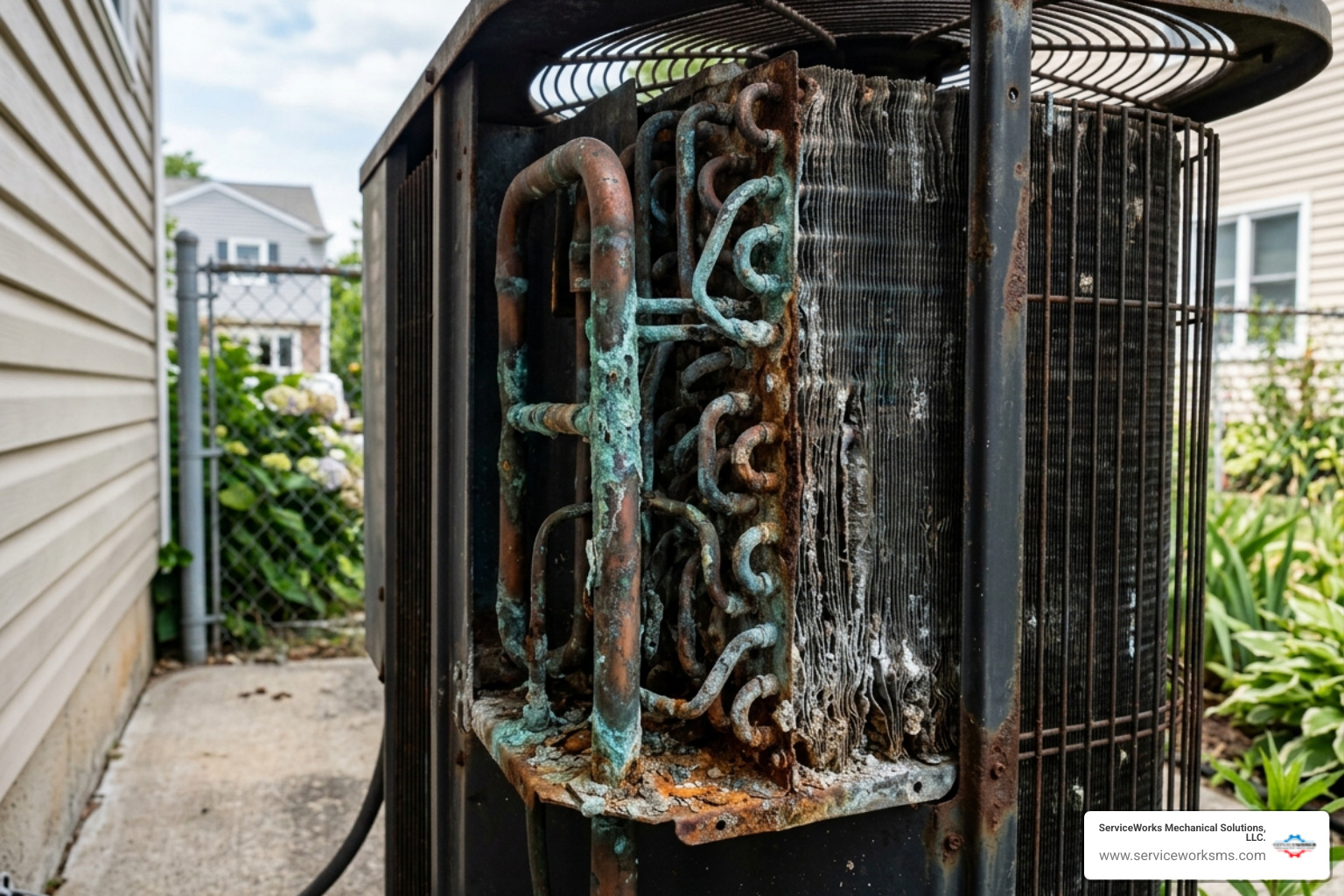
In coastal towns, salt air corrosion can weaken metal components, making them more prone to rattling and vibrating. Staying on top of HVAC Maintenance Myrtle Beach SC ensures that these small environmental stresses don't turn into emergency repairs.
Frequently Asked Questions about AC Noises
Is it safe to run my AC if it is making a loud noise?
Generally, no. If the noise is loud, harsh, or metallic (banging, grinding, screeching), you should shut the system down immediately. Running a damaged unit can lead to "cascading failure," where one broken part destroys three other expensive components. It's much safer—and usually cheaper—to wait for a professional inspection than to risk a total system replacement or an electrical fire.
Why does my air conditioner make a clicking sound?
A single click at the start and end of a cycle is normal operation—that's just your electrical components doing their job. However, persistent or rapid-fire clicking usually indicates an electrical failure. It could be a failing capacitor, a faulty relay switch, or a thermostat that is struggling to send a consistent signal. Because this involves high-voltage electricity, it’s best left to the experts.
What causes a whistling or high-pitched noise from the vents?
Whistling is almost always an airflow issue. Imagine your AC trying to "breathe" through a straw. If your air filter is heavily clogged, the air will whistle as it's forced through the remaining gaps. It can also indicate a leak in your ductwork or a pressure imbalance if too many interior doors are closed. Start by changing your filter; if that doesn't help, you likely have a duct issue.
Conclusion
At ServiceWorks Mechanical Solutions, LLC, we know that your home is your sanctuary, and a noisy AC is a major disruption to that peace. As a veteran-owned company, we pride ourselves on providing the honest, reliable expertise that our neighbors in Surfside Beach and the surrounding coastal communities deserve.
Whether you're dealing with a mysterious hiss in Charleston or a clatter in Myrtle Beach, don't wait for the sound to "go away" on its own—it rarely does. From Services like routine plumbing and electrical checks to comprehensive HVAC diagnostics, we are here to ensure your home stays quiet and cool all year long.
If your unit is trying to tell you something, we're here to listen. More info about professional air conditioning services is just a click away, or you can give us a call for 24/7 emergency support. Let's get your system back to that "Symphony of Silence" today.
testimonials
Customer Testimonials

With approved credit through Wisetack, you can enjoy zero down financing and convenient monthly payments, so you don’t have to wait to get the comfort you deserve.
Recent Blog
Stay updated with our latest blog posts.
Why Is My Home So Humid? How Your HVAC System Controls Indoor Humidity in South Carolina