


When Your Drains Won't Stay Clear, Here's How Hydro Jetting Works Step by Step
How hydro jetting works step by step is something every homeowner dealing with stubborn, recurring clogs deserves to understand before calling a plumber. Here's the short version:
- Camera inspection - A technician runs a CCTV camera through your drain line to locate the blockage and check pipe condition.
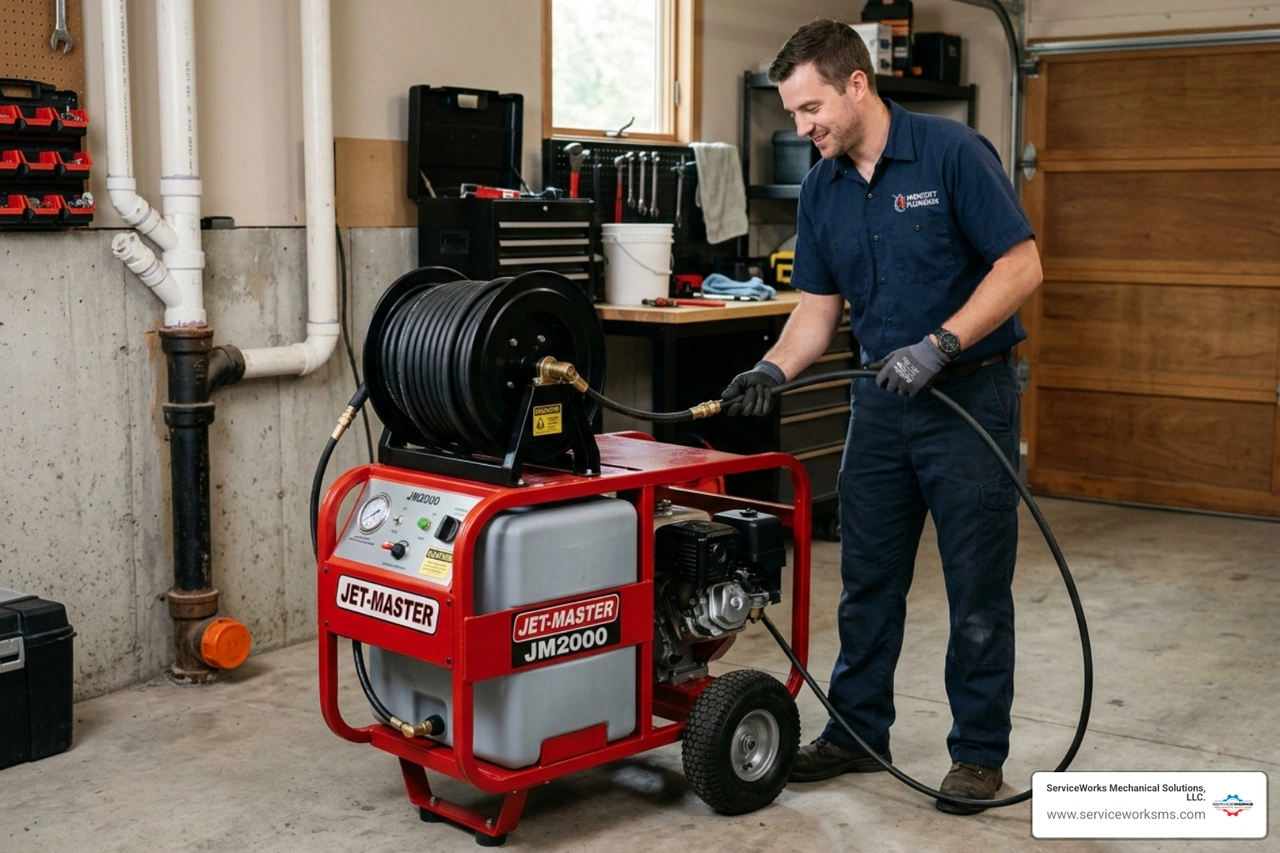
- Equipment setup - The hydro jet machine is positioned at a cleanout access point and pressure is calibrated for your pipe type and clog.
- Hose insertion - A flexible, high-pressure hose is fed into the pipe through the cleanout opening.
- High-pressure water blast - Pressurized water (typically 2,000–4,000 PSI for residential lines) is blasted through a specialized nozzle, scouring the full pipe wall and flushing debris downstream.
- Final inspection and flow test - A post-jetting camera check confirms the pipe is clear, and water flow is tested at fixtures throughout the home.
If you've ever cleared a drain only to watch it slow down again within days, you're not alone. Grease, soap scum, mineral scale, and even tree roots don't just form a single plug in the middle of your pipe — they coat the walls, narrow the opening over time, and keep catching new debris. Standard snaking often punches a hole through the blockage but leaves the buildup behind, which is exactly why the clog comes back.
For homeowners in Surfside Beach, SC, where coastal hard water and mature tree canopies create a tough combination for sewer lines, that cycle of temporary fixes and repeat service calls can feel endless. Hydro jetting breaks that cycle by cleaning the entire interior of the pipe — not just creating a temporary opening — using nothing but high-pressure water. No harsh chemicals. No digging. No guesswork.
The sections below walk through each step in detail, explain when hydro jetting is the right call (and when it isn't), and help you understand what a professional service visit from ServiceWorks Mechanical Solutions actually looks like from start to finish.

What is Hydro Jetting and Why is it Better Than Snaking?
To understand why we often recommend this service over traditional methods, it helps to think of the difference between poking a hole in a clogged straw and washing the straw out with a high-pressure hose. Traditional drain cleaning, often called "snaking" or "rodding," involves a metal cable with a tip that spins to break apart a blockage. While effective for simple clogs like a wad of hair, it doesn’t actually "clean" the pipe.
Hydro jetting is a professional-grade cleaning method that uses water pressurized between 3,000 and 8,000 PSI (pounds per square inch) to scour the interior walls of your plumbing. In residential settings, we typically operate between 2,000 and 4,000 PSI, which is powerful enough to strip away decades of grease and mineral scale without harming sound pipes.
Hydro Jetting vs. Drain Snaking
| Feature | Drain Snaking (Auger) | Hydro Jetting |
|---|---|---|
| How it Works | Mechanical cable breaks a hole through the clog. | High-pressure water scours the entire pipe wall. |
| Effectiveness | Good for minor clogs (hair, paper). | Excellent for grease, scale, and tree roots. |
| Pipe Condition | Leaves sludge and residue behind. | Restores pipe to near-original flow capacity. |
| Eco-Friendliness | Mechanical (No chemicals). | Water-based (No chemicals). |
| Longevity | Clogs often return in weeks or months. | Results can last 18–24 months or longer. |
One of the biggest advantages of Hydro Jetting Myrtle Beach SC homeowners see is its ability to handle "FOG"—fats, oils, and grease. In our coastal climate, grease can harden inside pipes until it's almost as tough as concrete. A snake will just bounce off it, but a hydro jetter pulverizes it.
What can hydro jetting remove?
- Hardened Grease: Common in kitchen lines.
- Tree Roots: Fine hair roots that enter joints.
- Mineral Scale: Calcium and magnesium buildup from local hard water.
- Silt and Sand: Common in coastal South Carolina sewer laterals.
- Biofilm: The "slime" that harbors bacteria and causes drain odors.
How Hydro Jetting Works Step by Step to Clear Stubborn Clogs
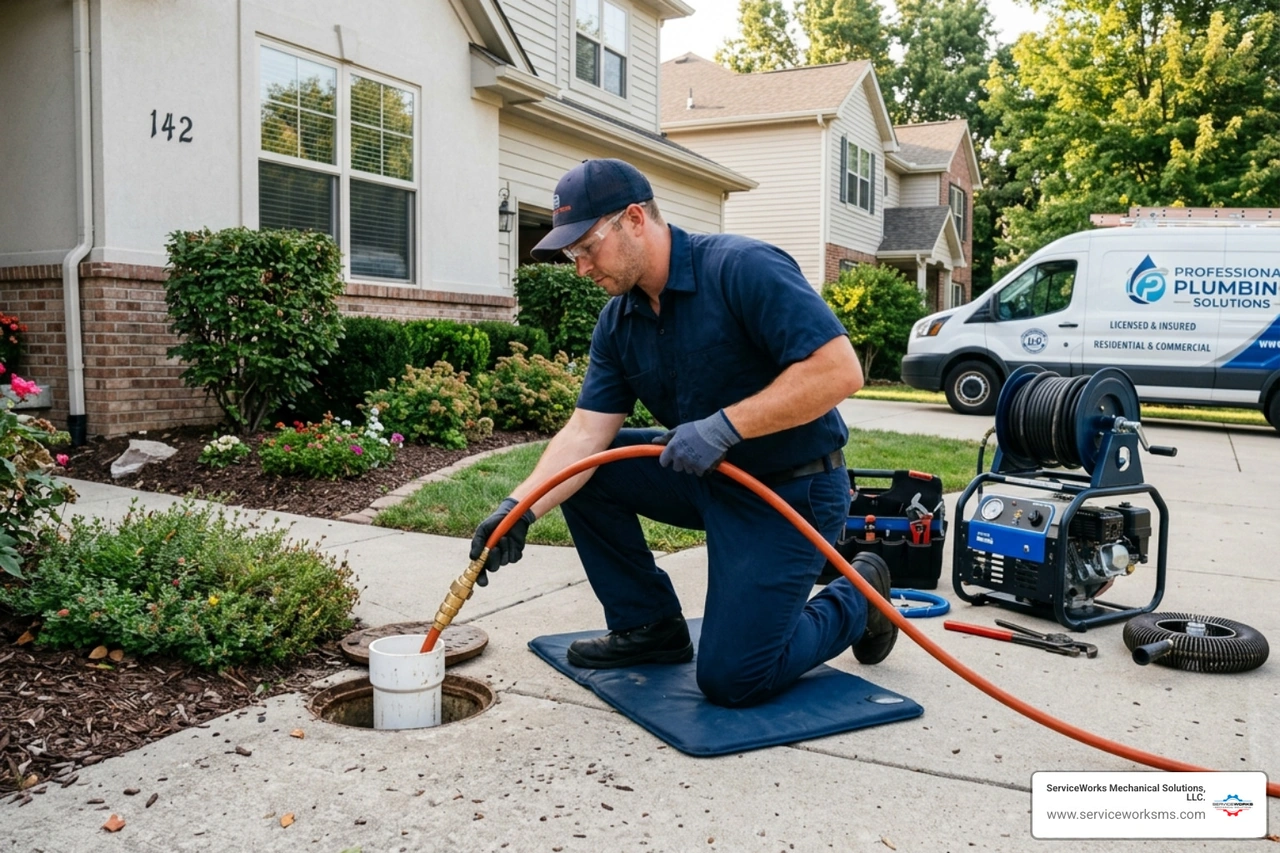
When we arrive at your home for a drain emergency or routine maintenance, we follow a strict protocol. This isn't just "pointing and spraying"; it’s a precision engineering task. Whether we are working on residential sewer laterals or commercial main lines, the goal is to restore 100% flow capacity.
Here is the deep dive into how hydro jetting works step by step:
Step 1: How Hydro Jetting Works Step by Step with Video Inspections
We never fly blind. The first and most critical step is a CCTV sewer camera inspection. We feed a high-definition, waterproof camera into your line to see exactly what we’re dealing with.
Why is this "non-negotiable"?
- Locating the Blockage: We need to know if the clog is 10 feet or 100 feet down the line.
- Identifying the Material: Is it a thick mass of grease, or is it a structural failure like a collapsed pipe?
- Assessing Structural Integrity: This is vital for safety. If a pipe is cracked, paper-thin from corrosion, or made of fragile Orangeburg (bituminous fiber), high-pressure water could cause it to collapse.
- Locating Root Intrusion: In areas requiring Hydro Jetting Summerville SC, mature oaks and pines often send roots directly into sewer joints. The camera shows us exactly where they are.
Step 2: Equipment Setup and Pressure Calibration
Once we confirm the pipes are healthy enough for the process, we set up our professional-grade jetting machine. This isn't a store-bought pressure washer; it's a specialized pump system designed for high-volume water flow.
We calibrate the PSI based on the pipe material and the severity of the blockage. For example, a PVC line can handle different pressures than an older cast-iron line. We also select the right nozzle for the job. Some nozzles have forward-firing jets to cut through clogs, while others have rotating heads or "rear-firing" jets that propel the hose forward and scour the walls behind it. This is where Hydro Jetting Pawleys Island SC services provide the most value—matching the tool to the specific coastal plumbing challenge.
Step 3: How Hydro Jetting Works Step by Step During the High-Pressure Blast
With the nozzle attached to a heavy-duty, flexible hose, we insert it into the "cleanout"—the access point for your sewer system. We then activate the pump.
As the water exits the nozzle, it can reach velocities exceeding 400 miles per hour. The rear-facing jets create a "self-propulsion" effect, pulling the hose deep into the pipe. As we pull the hose back toward the access point, the multidirectional water streams act like a laser-powered scrub brush. This action doesn't just push the debris; it scours the walls 360 degrees and flushes all the dislodged sludge downstream toward the larger municipal sewer main. For those needing Hydro Jetting Georgetown SC, this thorough flushing is what prevents the "clog-return" cycle.
Step 4: Final Verification and Flow Testing
We don't just take our word for it that the pipe is clean. After the jetting is complete, we perform a second camera inspection. This "post-jetting" check allows us to show you the results—pipes that look nearly as clean as the day they were installed.
We then test the system by running water through various fixtures in the home to ensure the gurgling, slow drainage, and odors are completely gone. For residents utilizing Hydro Jetting Conway SC, this final report provides peace of mind that their home's infrastructure is ready for the years ahead.
When is Hydro Jetting the Right Choice for Coastal SC Pipes?
While hydro jetting is incredibly effective, it isn't a "one-size-fits-all" solution. In the coastal South Carolina region, we have a unique mix of very old and very new infrastructure.
When it's the right choice:
- Recurring Clogs: If you have to snake your drains every six months, you have a buildup problem that only jetting can solve.
- Tree Root Intrusion: Small to medium roots can be sliced through and flushed out.
- Pre-Repair Prep: If you are planning on trenchless pipe lining, the host pipe must be jetted to a "white metal" or perfectly clean state so the liner can bond properly.
- Commercial Kitchens: Restaurants in areas like Hydro Jetting Loris SC often require jetting every 3–6 months to manage heavy grease.
When it might NOT be the right choice:
- Fragile Pipes: Severely corroded cast iron or Orangeburg pipes (made of tar paper) cannot withstand the pressure.
- Collapsed Lines: If the pipe has physically shifted or collapsed, no amount of water will fix it; you need a repair or replacement.
- Major Root Infestation: If roots have completely destroyed the pipe, jetting might actually wash away the dirt that was holding the pipe together.
This is why we emphasize the veteran-owned expertise of ServiceWorks. We know how to read the camera footage to tell you honestly if your pipes are candidates for jetting or if you need a different solution.
Frequently Asked Questions about Hydro Jetting
Is hydro jetting safe for my septic system?
Yes, hydro jetting is generally safe for septic systems. In fact, it's an excellent way to clear the "inlet" line that runs from your house to the tank. Since the process uses only water and no harsh chemicals, it won't kill the beneficial bacteria in your septic tank. However, we always perform an inspection first to ensure the line is structurally sound.
Can hydro jetting remove tree roots permanently?
Hydro jetting is highly effective at removing existing root masses, but it is not a permanent "cure." Roots are drawn to the moisture and nutrients in sewer lines; if there is a crack or a loose joint, they will eventually grow back (usually within 6 to 24 months). To stop them permanently, we recommend following up jetting with a chemical root inhibitor or a trenchless pipe repair to seal the entry point.
How often should I have my sewer lines jetted in Surfside Beach?
For a standard residential home with healthy pipes, we recommend hydro jetting every 18 to 24 months as preventive maintenance. If you have older pipes or a history of tree root issues, an annual schedule is better. Commercial properties, especially those that deal with food, often require service every 3 to 6 months to stay compliant with local grease management codes.
Conclusion
Understanding how hydro jetting works step by step helps you make the best decision for your home's long-term health. It is the gold standard for drain cleaning because it offers a deep, wall-to-wall clean that traditional snaking simply cannot match. By removing the "biofilm" and grease that catch future debris, you invest in a solution that lasts for years rather than weeks.
At ServiceWorks Mechanical Solutions, LLC, we bring veteran-owned discipline and local expertise to every job. Our licensed technicians understand the unique plumbing challenges of the coastal South Carolina climate, from Myrtle Beach to Columbia. We stand behind our work with a 100% satisfaction guarantee, ensuring that when the "pressure is on," your pipes are ready to handle it.
If you’re tired of slow drains and recurring backups, don’t settle for a temporary fix. Contact us today for expert plumbing and drain services and let us restore your pipes to their former glory!
testimonials
Customer Testimonials

With approved credit through Wisetack, you can enjoy zero down financing and convenient monthly payments, so you don’t have to wait to get the comfort you deserve.
Recent Blog
Stay updated with our latest blog posts.

Commercial Building Maintenance: The Real Cost of Putting Off Repairs
Guide